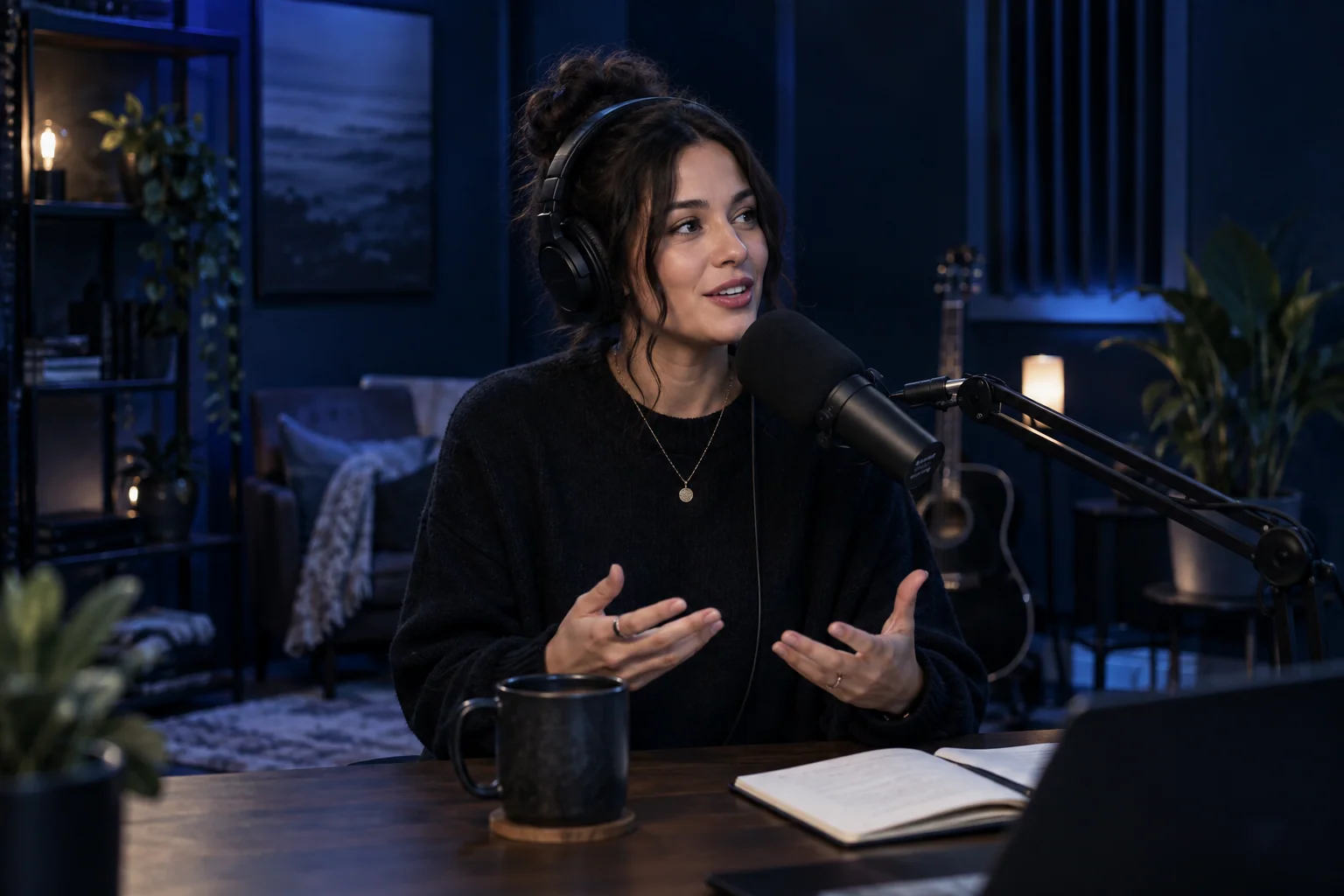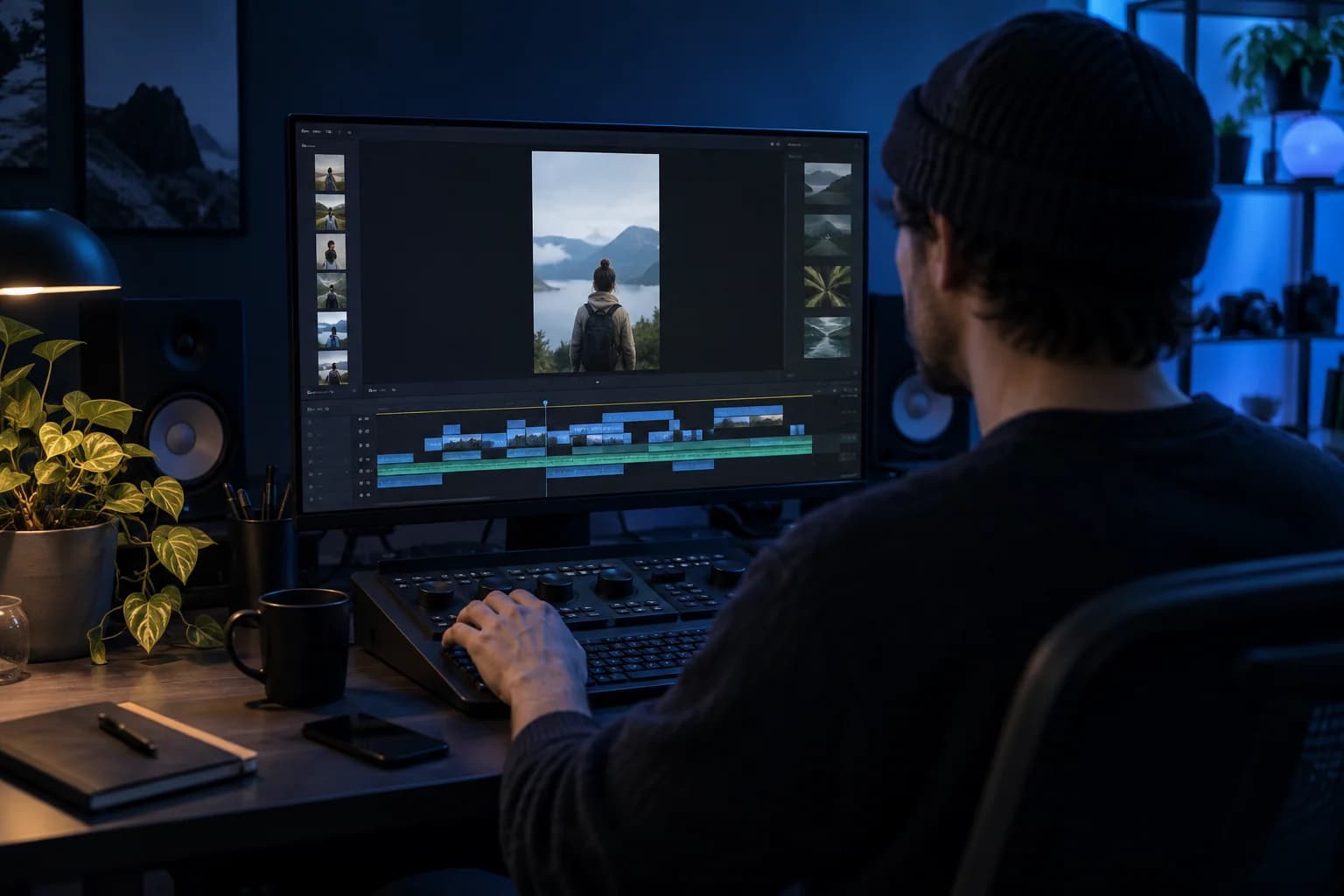
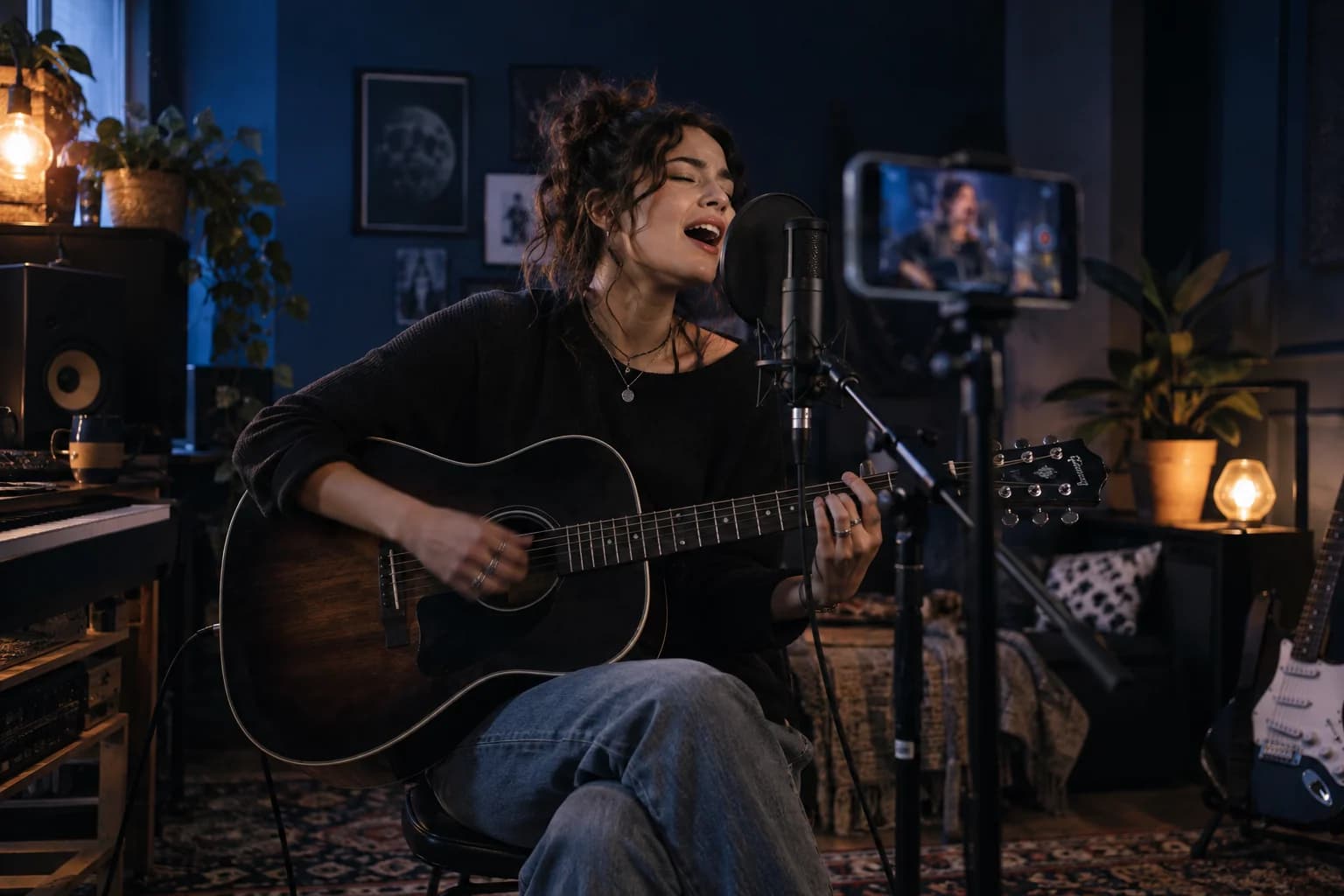
A music clipping campaign should combine cleared assets, multiple story angles, release-phase timing, distinct creative variants, territory rules, and honest measurement. Repetition can build memory; duplication builds fatigue.
Clear the campaign assets
Before creative work, document the rights for the sound recording, composition, footage, artwork, performances, collaborators, and any third-party material. Scope those rights by platform, territory, and campaign period.
Do not assume a track being available in a platform library authorizes every branded or incentivized use.
Build more than one creative idea
The song can be the anchor without making every post identical. Map the release across performance, lyrics, story, process, identity, collaboration, fan participation, context, and social proof that can be substantiated.
Each idea should make sense to a viewer who has not been following the rollout.
- Performance or rehearsal
- The story behind a lyric
- Production breakdown
- Artist point of view
- Fan prompt or reinterpretation
- Release-day or live moment
Plan the release phases
A pre-release phase can establish the idea and invite recognition. Launch content can make the track easy to find and share. Post-launch work can expand the story, highlight real responses, and test catalogue connections.
Avoid fake scarcity, invented listener reactions, or guaranteed chart language. Build claims only from evidence the campaign can verify.
Give creators room to create
A useful brief identifies the required sonic section, usage boundaries, credits, tags, disclosure, prohibited contexts, and brand tone. It also leaves room for distinct visual concepts and culturally relevant formats.
Approve for fit and safety, not exact duplication of a reference post.
Measure creative roles
Views alone cannot tell you why a music post worked. Compare performance clips with lyric stories, process footage, personality, and participation formats. Look at retention, shares, saves, profile or destination actions, territories, and post survival where available.
The campaign should finish with a clearer release playbook, not just a total counter.
Build around a release story, not one repeated excerpt
A song can enter someone’s life through several doors: a compelling performance, a lyric they recognize themselves in, the story behind a line, or an unexpected studio decision. A varied campaign gives those entry points room while keeping the release recognizable.
Choose a small set of themes from footage you already have. For example, a live chorus can lead with emotion, a studio clip can reveal craft, and an interview can explain the situation that inspired the song. Each clip should offer a complete moment rather than functioning only as an announcement.
Plan before, during, and after release
Before release, choose material that establishes the world of the song and gives people a reason to remember it. During release, make the listening destination clear and use approved performance or story material to introduce the finished work. After release, continue with useful context instead of repeating a countdown that has expired.
Keep dates and links in the publishing plan rather than embedding every instruction permanently into every edit. This makes it easier to prepare a version that remains useful after launch week. Verify the final destination before the clip is published.
Clear the footage and the audio separately
Do not assume that access to a performance recording settles every permission needed for a promotional edit. Identify who can authorize the recording, the music, any third-party footage, and the intended use. A campaign should record the scope of those permissions before distributing assets to editors.
In the United States, the Copyright Office explains that there is no universal number of notes, words, or percentage that automatically makes someone else’s work safe to use. Read its permission and fair-use FAQ, and seek qualified advice for a disputed or uncertain use.
Measure attention and listening separately
A video view tells you that a platform recorded a particular viewing event. It does not prove a full song stream, a new fan, or a ticket sale. Decide which signals you can observe and report them with their actual names.
You might track approved posts, the platform’s selected view metric, saves, profile visits, and clicks through a campaign-specific listening link. Keep the limitations visible: cross-platform identities and attribution may be incomplete. Use the report to choose the next creative angle rather than to claim that every view became a listener.
What if you only have one music video?
Start by looking for distinct performance moments, visual sequences, and story beats that can stand alone. Do not invent behind-the-scenes footage or borrow unrelated material to fill the plan. If the source offers limited variety, a smaller campaign may be more appropriate.
Prepare the approved master, the release date, the listening destination, and a list of restricted assets. The music campaign page explains the starting approach, and the source rights checklist helps organize the permissions discussion.