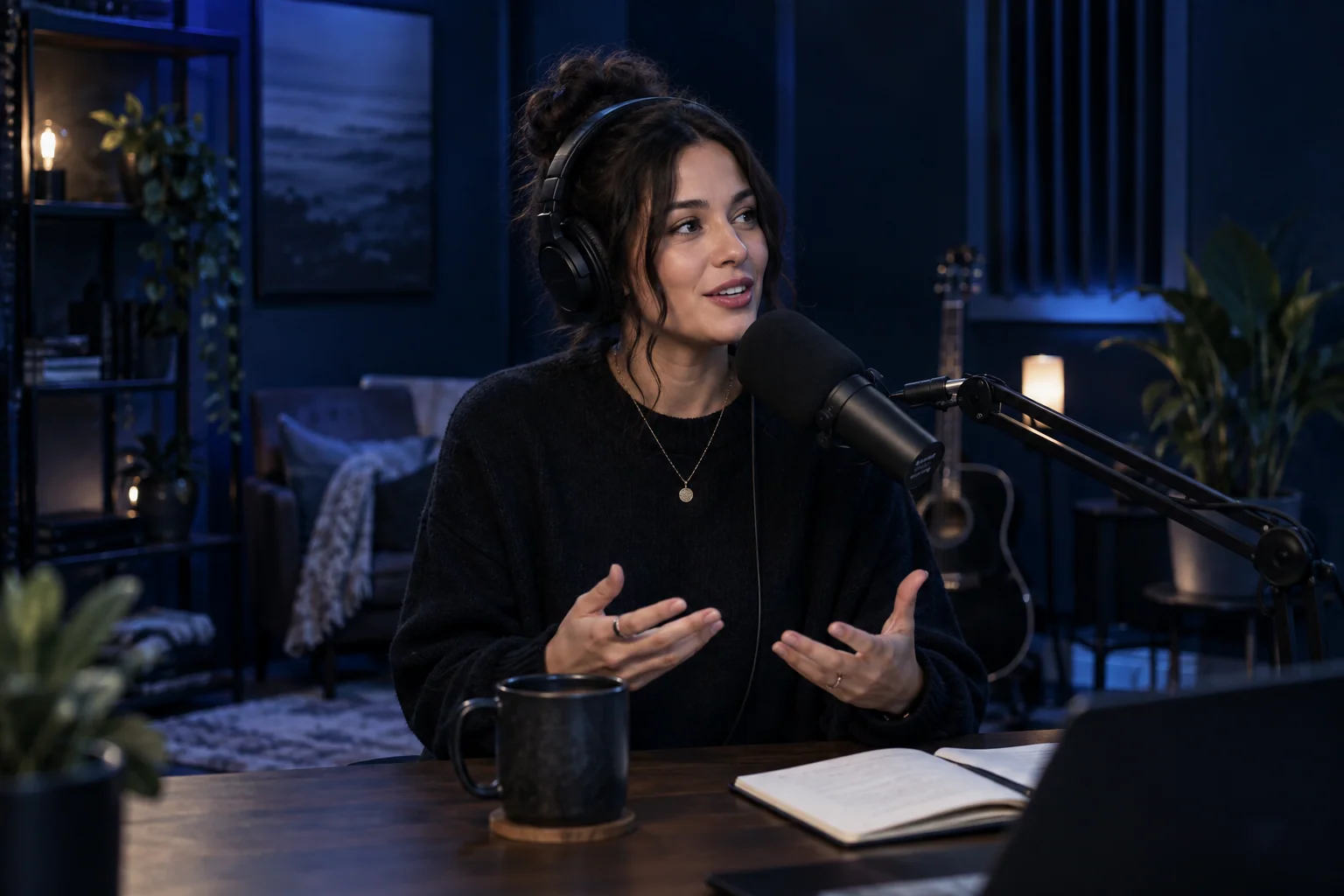
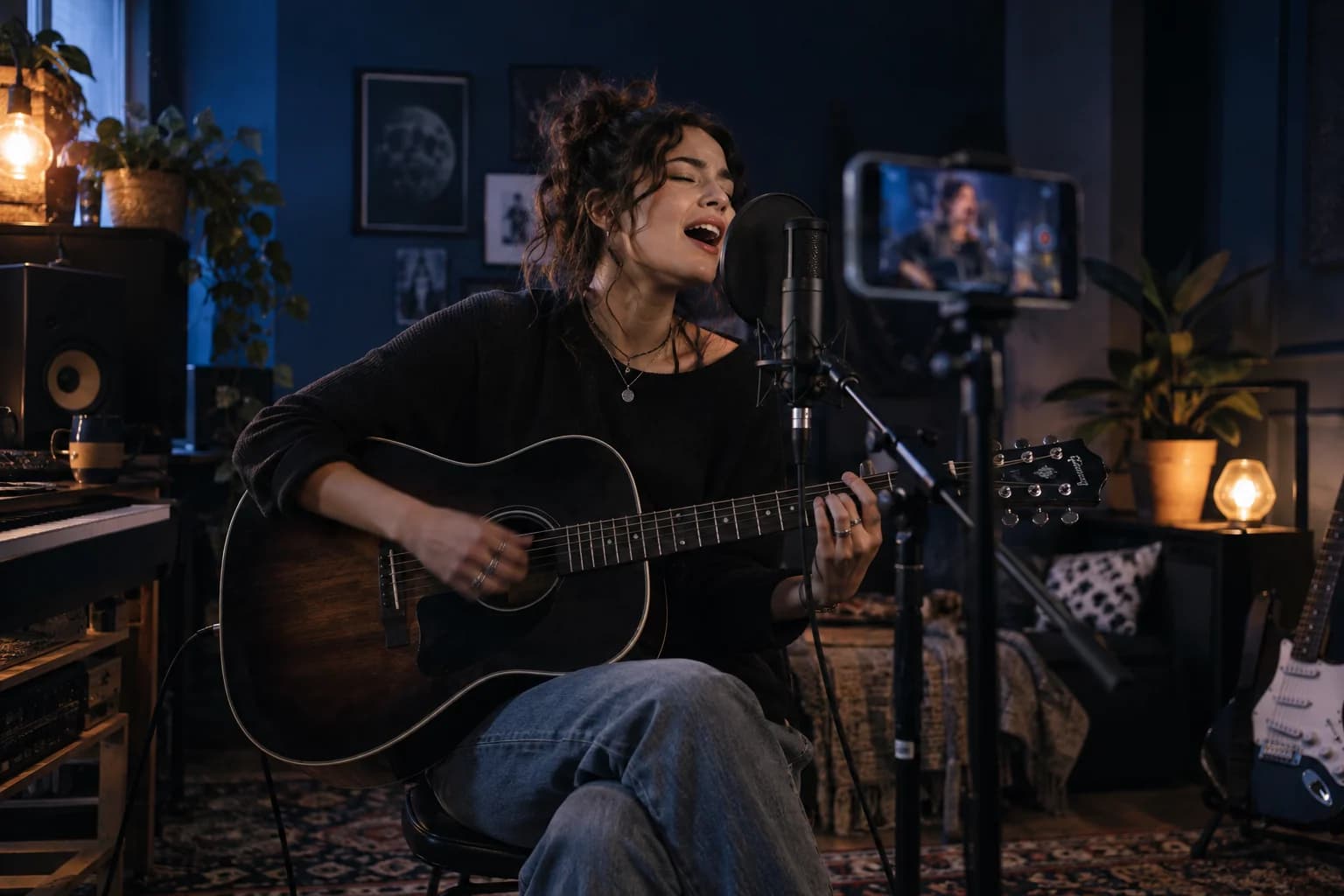
Content clipping works best as a repeatable pipeline: organize the source, find complete moments, adapt them for each destination, review in context, publish deliberately, and feed verified evidence into the next batch.
Start with the source, not the timeline
Editors cannot rescue a source library they do not understand. Before cutting, organize each file with its speaker, topic, date, rights, transcript, prohibited segments, and campaign relevance.
A well-prepared library reduces repetitive questions and makes moment discovery faster. It also prevents an old or restricted statement from entering a new campaign by accident.
- Master video or audio
- Accurate transcript
- Speaker and topic tags
- Rights and territory record
- Protected or prohibited segments
Find complete ideas
A candidate moment needs more than an exciting sentence. It should contain enough setup for the claim to make sense, a clear turn or development, and a payoff that rewards the viewer.
Automated transcripts and signals can help an editor search a long source, but human judgment still decides whether the moment is coherent, representative, original, and safe.
Rebuild the opening
Long-form introductions assume patience and context. Short-form openings must quickly establish tension, value, surprise, or a useful question without misrepresenting the source.
A hook can be a carefully selected first sentence, an accurate on-screen premise, or a short reordering of the existing thought. It should never manufacture a claim the speaker did not make.
Adapt for the platform
One universal export usually wastes the opportunity. TikTok, Reels, and Shorts have overlapping conventions, but audiences, interface elements, caption zones, duration expectations, and account behavior differ.
Build the framing, subtitles, pacing, duration, CTA, and publish metadata for the destination. Preserve safe areas and make the clip understandable with or without sound.
- Readable captions and intentional emphasis
- Platform-safe framing
- A duration that suits the idea
- A CTA matched to viewer intent
- Correct tags, mentions, and disclosure
Close the loop after publishing
Publishing is not the end of the workflow. Record the live URL, account, date, platform, post state, and performance snapshots. Separate raw views from whatever the campaign defines as qualified views.
Then compare creative attributes—topic, hook type, format, duration, proof, CTA—across a meaningful sample. The goal is not to declare one viral post a universal law. It is to write a better next brief.
Use a moment-selection scorecard
When you review a recording, ask four questions about each candidate: does it make sense by itself, does it offer something useful, can it be cut without changing the meaning, and does it suit the campaign audience? A memorable line that fails the context test should stay in the long-form version.
Keep a simple record with a timestamp, a working title, the audience benefit, and any concern. For example: ‘18:42 — why customers abandon onboarding — useful for product teams — preserve the qualification about small sample size.’ That note gives an editor a decision to work with instead of an instruction to make the clip exciting.
Build a small, deliberate test matrix
A test matrix is a short list of creative choices you want to compare. For a teaching video, you might test a direct answer, a concrete example, and a mistake to avoid. For an interview, you might test a personal story against a practical lesson.
Keep the number of changing variables manageable. If you change the topic, speaker, opening, duration, account, and posting context simultaneously, you may get a successful post without learning why it worked. Repeat promising approaches across more than one source moment before turning them into a rule.
Give feedback an editor can act on
Replace ‘make this punchier’ with an observable change: ‘Start with the example at 00:08, then keep the sentence explaining who it applies to.’ Replace ‘this feels off-brand’ with a reference to the vocabulary, framing, or visual rule that needs attention.
Separate corrections from preferences. An incorrect name, missing qualification, or unreadable caption needs fixing. Two reasonable pacing choices may both deserve testing. Consolidate feedback from stakeholders before returning a revision request so the editor does not receive conflicting instructions.
Use the creative brief guide to settle recurring decisions before the first draft. The better the brief gets, the less every edit depends on a fresh conversation.
Prepare a publishing handoff
The approved video is only one part of the handoff. Include the destination account, post copy, thumbnail or cover direction if needed, intended link, disclosures, and any time-sensitive context. Keep a unique name for the final approved version so an earlier export does not get published by mistake.
Record the live URL after publishing. If an edit is removed or replaced, update that record rather than leaving a report pointing at an unavailable post. This small habit makes later measurement much easier to trust.
Can one clip work on every platform?
Sometimes the same core edit works across several destinations, but check the framing, captions, audio permissions, and publishing details for each one. A clip can be a good creative idea and still be a poor fit for a particular account or format.
Build the first campaign around the destinations you can support well. You can expand after learning which source moments and production decisions are repeatable. Create a campaign with your preferred platforms and let the source review establish a realistic starting scope.